
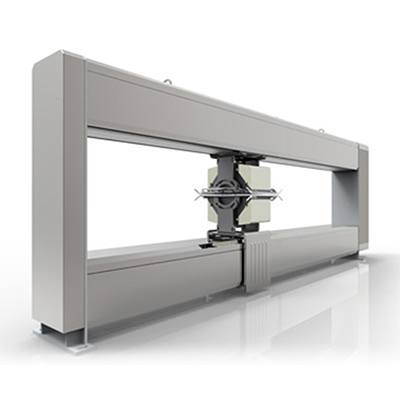

In modern manufacturing, the stability of product quality and the improvement of production efficiency are at the core of an enterprise's sustainable development. With the continuous improvement of industrial automation levels, aluminum foil materials have become indispensable materials in the manufacturing process due to their wide applications (such as in packaging, electronics, aerospace and other fields). However, during the processing of aluminum foil, various defects such as bubbles, cracks and scratches are prone to occur. These defects not only affect the performance of the product, but also may lead to serious safety risks.
To address this challenge, the aluminum foil defect detection system has emerged. This system utilizes advanced detection technology to efficiently and accurately identify defects on the surface of aluminum foil, thereby ensuring product quality and enhancing production efficiency.
The advantages of the aluminum foil defect detection system
Efficient and precise
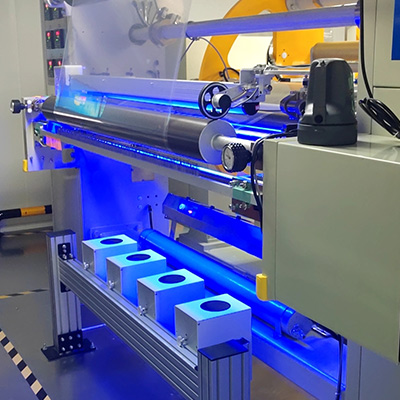
The aluminum foil defect detection system adopts high-precision sensors and image recognition technology, which can scan the surface of aluminum foil in real time and quickly identify defects. Compared with manual detection, it is highly efficient and accurate, significantly reducing human errors.
High degree of automation
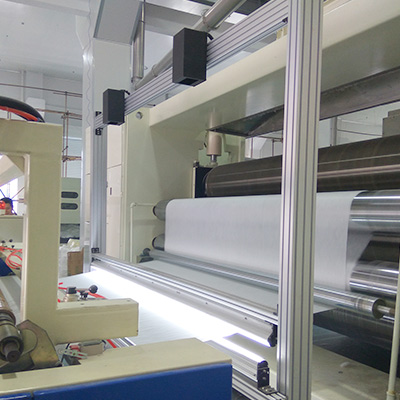
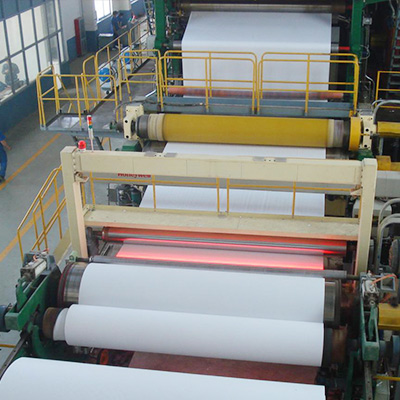
The system can be integrated into the production line to achieve automated detection, reduce manual intervention, lower production costs and enhance overall production efficiency.
Multi-type defect identification
The system can detect various defects, including bubbles, cracks, scratches, oxide layers, etc., meeting the needs of different application scenarios.
Data support and traceability
The detection system can record detection data, facilitating the tracing of defect sources, providing data support for quality control, and enhancing the enterprise's ability to manage product quality.
The working principle of the detection system
The aluminum foil defect detection system is usually composed of the following parts:
Sensor: Used for scanning the surface of aluminum foil to capture defect information.
Image processing software: Processes the collected images to identify defect features.
Data analysis module: Analyze the inspection results and determine whether the defects are qualified.
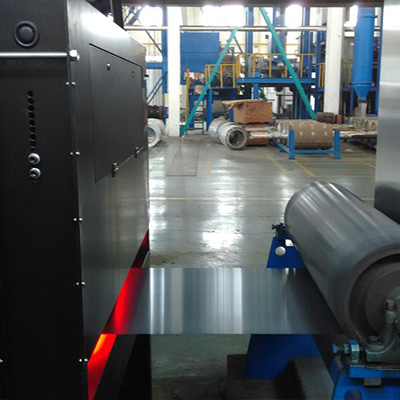
Alarm and feedback system: When a defect is detected, the system automatically alarms and feeds back to the production line to achieve timely handling.
Application field
The aluminum foil defect detection system is widely applied in the following industries:
Packaging industry: It is used to detect defects in aluminum foil packaging materials to ensure product safety and quality.
Electronics industry: It is used to detect defects in aluminum foil used for packaging electronic components to ensure the reliability of circuit boards.
Aerospace: Aluminum foil is used in the aerospace field to manufacture structural components, and defect detection is a crucial link in safety.
Food packaging: It is used to test the integrity of aluminum foil for food packaging to ensure food safety.
With the development of artificial intelligence and machine learning technologies, the aluminum foil defect detection system is evolving towards intelligence and sophistication. Future systems will have stronger self-learning capabilities, be able to adapt to the detection requirements of different materials and environments, and further enhance detection accuracy and efficiency.
The aluminum foil defect detection system is an indispensable technical support in modern manufacturing. It not only enhances product quality, but also significantly boosts production efficiency and reduces costs, providing a strong guarantee for the sustainable development of enterprises. With the continuous advancement of technology, the aluminum foil defect detection system will play a significant role in more fields, helping the industry reach a higher level.
Key words: Aluminum foil defect detection system, aluminum foil quality inspection, aluminum foil defect identification, automated inspection, intelligent manufacturing, defect identification technology, industrial inspection, quality control, production efficiency improvement.


 Top
Top
 Email
Email
 WhatsApp

 Submit Form
 Down
Down